Medically reviewed by a licensed pharmacist at Klingensmith’s Drug Store, proudly serving Western Pennsylvania communities with trusted, personalized care since 1940.
Last reviewed: October 2026
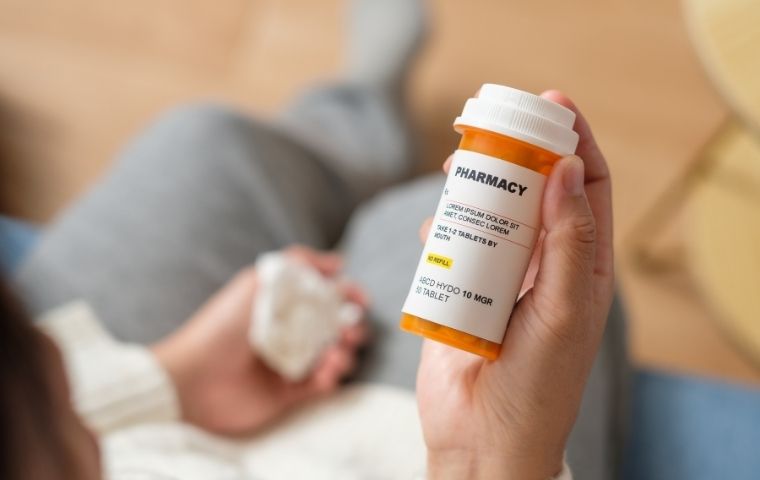
That little medicine bottle can answer a lot of questions if you know where to look. You might recognize the name, but important details are often found in the fine print. How much should I take? When should I take it? Do I need to take it with food? What does that abbreviation mean? So many questions! It’s enough to make your head spin.
During Health Literacy Month, we’re taking a closer look at medicine labels. You should be able to easily understand what you are taking and why. When something leaves you guessing, a pharmacist can help.
Where to Start and What to Look For
When you pick up a prescription, always check the label before leaving the pharmacy.
For prescription labels, look for:
- Your name
- Medicine name
- Strength
- Dosage form
- How much to take
- How often to take it
- Special warnings or directions
- Refill information
Prescription medication labels are designed to give you important information about how to take your medicine safely, including the dose, directions, warnings, and other important instructions.
Pharmacist Tip: If anything on your medicine’s label looks unfamiliar, ask your pharmacist about it before leaving the store and definitely before taking the medicine.
A generic medicine might look different from a previous refill. The tablet color or shape can also change between manufacturers. That doesn’t automatically mean something is wrong. Check the label and confirm with your pharmacist if you’re unsure.
Read the Label Directions Carefully
The label directions tell you how to use the medication.
The directions might say:
- Take once daily
- Take twice daily
- Take with food
- Take on an empty stomach
- Take at bedtime
- Take as needed
- Apply to the affected area
These medication instructions can affect how the medicine works.
Instructions such as ‘twice daily’ or ‘every 12 hours’ tell you how often to take a medicine, but the exact timing can depend on the medication. If you’re unsure, ask the pharmacist to explain the schedule to you in everyday language.
Check the Strength and Measurements
Two bottles can have the same medicine name but different strengths. Liquid medicines might list doses in milliliters. Use the measuring device that comes with the medicine rather than estimating with a kitchen spoon.
Common abbreviations include:
- mg: milligram
- mL: milliliter
- tsp: teaspoon
- tbsp: tablespoon
If an abbreviation or measurement doesn’t make sense, ask before taking the dose.
Read the Warnings
Pay close attention to warnings, especially when you’re taking more than one medicine. They might explain possible side effects, drug interactions, medical conditions that require caution, or when to contact a healthcare professional. FDA guidance says OTC warnings can also tell consumers when to talk with a doctor or pharmacist before use.
OTC medicines have standardized Drug Facts labels. These include sections for Active Ingredients, Purpose, Uses, Warnings, Directions, and Other Information. Reading those sections helps you understand what you’re taking and how to use it.
If you’re taking several medicines, checking active ingredients can also help you avoid taking the same ingredient twice. Understanding your medicines is an important part of medication safety. Taking the same active ingredient more than once can increase the risk of taking too much of any given medicine.
How to Make Labels Easier to Follow
When you know how to read prescription labels, the information becomes much easier to follow.
Here’s a simple routine you can use each time:
- Check your name
- Check the medicine name
- Check the medicine strength
- Read the directions from beginning to end
- Look for warnings and special instructions
- Check the measurement (if the medicine is liquid)
- Compare the label with what your healthcare provider told you (if it’s a new prescription)
The pharmacy can also keep a current medication list of everything you take, not just prescriptions. It could include prescriptions, OTC medicines, vitamins, and supplements. Add the dose and when you take each product.
MedlinePlus recommends keeping an up-to-date medicine record and reviewing it with a healthcare provider or pharmacist. A medication list can be especially helpful for caregivers managing medicines for a parent, spouse, child, or another family member.
What to Do If You Need More Help
Sometimes a label doesn’t answer everything. Maybe you’re unsure whether two medicines can be taken together. Perhaps a new prescription has instructions that seem different from your usual routine. Or maybe you’re wondering what you should do if you miss a dose.
That’s when you should check with the pharmacy.
If you would like help organizing your medications, setting up automatic refills, or getting medication counseling, Klingensmith’s can help.
- Kling’s Script Packs:
At Klingensmith’s, pharmacists provide medication counseling and answer questions about prescriptions, side effects, and potential interactions. When a medication label raises questions, we walk through the directions with you and explain anything that seems unclear.
We also offer Kling’s Script Packs that organize your prescription doses into clearly labeled pouches showing the date, time, medication, strength, and relevant instructions.
- MedSync:
For people managing several prescriptions, MedSync coordinates refills so medications are filled on the same day each month. That can make a complicated refill schedule easier to manage.
A pharmacist consultation can help when you have questions about organizing your medications, understanding directions, or managing several prescriptions. During a pharmacist consultation, we can review your medication list, explain confusing directions, and help identify potential problems with taking multiple medicines.
What’s Next?
If you have questions about your medications, our pharmacists are always happy to help. Bring the medication bottle, your current medication list, and your questions to a local Klingensmith’s Drug Store. We’ll help you understand the label and answer all your questions.
Visit a local Klingensmith’s Drug Store for your prescriptions, supplements, and essential products, or to speak with one of our pharmacists.
Your medication label should answer your questions, not leave you guessing!
FAQs about Reading Medicine Labels
Here are the most commonly asked questions about how to read medicine labels.
1. What information should I check first on a medicine label?
Start with your name, the medicine name, strength, directions, and warnings. Ask your pharmacist about anything you don’t recognize.
2. What does “take twice daily” mean?
It means you should take the medicine twice a day. The exact timing depends on the medicine, so ask your pharmacist if the label isn’t clear.
3. Should we read OTC medicine labels every time?
Yes. The FDA recommends reading OTC labels each time because products sometimes change and can have different ingredients, strengths, warnings, or directions.
4. What should I do if I don’t understand the medicine label?
Call your pharmacist before taking the medicine. They can explain unfamiliar terms, directions, warnings, and timing.
5. What should I do if my medicine looks different from my last refill?
Check the label and ask your pharmacist before taking it if you’re unsure. Generic medicines can look different while containing the same active ingredient.
About Klingensmith’s Drug Stores
Klingensmith’s Drug Stores has served rural Pennsylvania communities since 1940, providing personalized, neighborly care. Our pharmacists help patients understand the directions, review potential interactions, and find practical ways to manage prescriptions. Klingensmith’s also offers Script Packs and medication synchronization services to help patients and caregivers manage complex medication schedules.
Medical Disclosure: This article is for general information purposes only and is not a substitute for personalized medical advice. Always consult your pharmacist or physician about your specific health needs before starting, stopping, or changing any medication.
Sources and Further Reading:
https://www.nnlm.gov/resources/reading-club/topic/258
https://www.fda.gov/drugs/understanding-over-counter-medicines/over-counter-drug-facts-label